

I. ĐỊNH NGHĨA VỀ QUÁ KHỨ HOÀN THÀNH
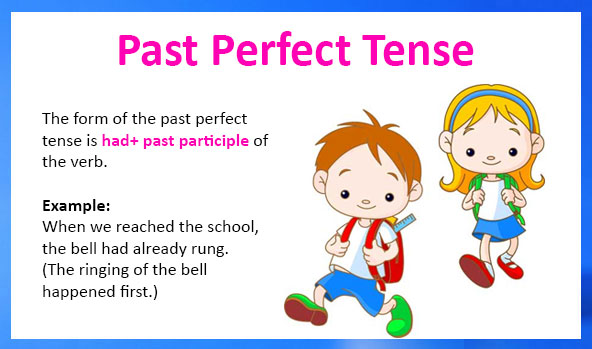
Thì quá khứ hoàn thành (Past perfect tense) là một thì trong tiếng Anh hiện đại. Được dùng để diễn tả một hành động xảy ra trước một hành động khác và cả hai hành động này đều đã xảy ra trong quá khứ. Hành động nào xảy ra trước thì dùng thì quá khứ hoàn thành. Hành động xảy ra sau thì dùng thì quá khứ đơn.
II. CẤU TRÚC CỦA THÌ QUÁ KHỨ HOÀN THÀNH
1. Khẳng định:
- Cấu trúc
S + had + VpII
- Trong đó:
- S (subject): chủ ngữ
- Had: Trợ động từ
- VpII: động từ phân từ II (Quá khứ phân từ)
- Eg:
- He had gone out when I came into the house.
(Anh ấy đã đi ra ngoài khi tôi vào nhà.) - They had finished their work right before the deadline last week .
(Họ đã hoàn thành công việc của họ ngay trước hạn chót vào tuần trước.) 2. Phủ định:
- Cấu trúc:
S + hadn’t + VpII
=> Câu phủ định trong thì quá khứ hoàn thành ta chỉ cần thêm “not” vào ngay sau trợ động từ “had”.
- Lưu ý:
- hadn’t = had not
- Example:
- She hadn’t come home when I got into the house. (Cô ấy vẫn chưa về nhà khi tôi vào nhà.)
- They hadn’t finished their lunch when I saw them. (Họ vẫn chưa ăn xong bữa trưa khi trông thấy họ).
3. Câu hỏi:
- Cấu trúc:
Had + S + VpII ?
- Trả lời:
- Yes, S + had.
- No, S + hadn’t.
=> Câu hỏi trong thì quá khứ hoàn thành ta chỉ cần đảo “had” lên trước chủ ngữ.
- Example:
- Had the film ended when you arrived at the cinema? (Bộ phim đã kết thúc khi bạn tới rạp chiếu phim phải không?)
Yes, it had./ No, it hadn’t.
III. CÁCH SỬ DỤNG CỦA THÌ QUÁ KHỨ HOÀN THÀNH
Cách Sử Dụng Example: - Diễn tả hành động đã xảy ra và đã hoàn thành trước một hành động khác trong quá khứ: Thường sử dụng các từ nối như before, after, just, when, as soon as, by the time, until,… - When I came, he had gone to bed. (Khi tôi đến thì anh ta đã đi ngủ rồi.)
- The train had left when we arrived at the station. (Tàu đã rời đi khi chúng tôi tới nhà ga.)
- Diễn tả 1 hành động xảy ra một khoảng thời gian trong quá khứ, trước một mốc thời gian khác - I had gone to school before 7 a.m yesterday. (Tôi đã đi học trước 7 giờ sáng ngày hôm qua.)
- She had come back her hometown before June last year. (Cô ấy đã trở về quê trước tháng 6 năm ngoái.)
- Diễn tả một hành động xảy ra như là điều kiện tiên quyết cho hành động khác trong quá khứ - I had work hard and was ready to pass the exam. (Tôi đã học hành chăm chỉ và sẵn sàng để vượt qua kỳ thi.)
- I had had a girlfriend and would marriage to her. (Tôi có một người bạn gái và tôi sẽ cưới cô ấy)
- Dùng trong câu điều kiện loại 3, để diễn tả điều không có thực trong quá khứ. - If she had told me the truth yesterday, I would have helped her. (Nếu hôm qua cô ấy nói sự thật với tôi, tôi đã có thể giúp cô ấy rồi).
- Dùng trong câu mong ước để diễn tả ước muốn trong quá khứ. - I wish I had gone with you yesterday. (Tôi ước rằng tôi đã đi với bạn ngày hôm qua.)
IV. DẤU HIỆU ĐỂ NHẬN BIẾT THÌ QUÁ KHỨ HOÀN THÀNH
Trong câu có các từ:
+ When: Khi
- Eg:
- When they arrived at the airport, her flight had taken off. (Khi họ tới sân bay, chuyến bay của cô ấy đã cất cánh.)
+ Before: Trước khi
=> Trước “before” sử dụng thì quá khứ hoàn thành và sau “before” sử dụng thì quá khứ đơn.
- Eg:
- He had done her homework before his mother asked his to do so. (Anh ấy đã làm bài tập về nhà trước khi mẹ anh ấy yêu cầu anh ấy làm.)
+ After: sau khi
=> Trước “after” sử dụng thì quá khứ đơn và sau “after” sử dụng thì quá khứ hoàn thành.)
- Eg:
- They went home after they had eaten a big roasted chicken. (Họ về nhà sau khi đã ăn một con gà quay lớn.)
+ By the time: Vào thời điểm
- Eg:
- He had cleaned the house by the time her mother came back. (Cậu ấy đã lau xong nhà vào thời điểm mẹ cậu ấy trở về.)
V. Bài tập thì quá khứ hoàn thành
* Bài tập thì quá khứ hoàn thành cơ bản
Bài 1: Chia động từ trong ngoặc ở thì quá khứ hoàn thành
- The storm destroyed the sandcastle that we ______ (build).
- He ______ (not / be) to Cape Town before 1997.
- When she went out to play, she ______ (do / already) her homework.
- My brother ate all of the cake that our mum _____ (make) .
- The doctor took off the plaster that he ______ (put on) six weeks before.
- The waiter brought a drink that I _______ (not / order).
- I could not remember the poem we _______ (learn) the week before.
- The children collected the chestnuts that _____ (fall) from the tree.
- ________ (he / phone) Angie before he went to see her in London?
- She ______ (not / ride) a horse before that day.
- Kevin ______ (go) home by the time I arrived.

- Ethan suddenly realised that he _____ (leave) his laptop on the train.
- Mum was annoyed because I ______ (not clean) my room.
- _______ (they / study) English before they went to the USA?
- We were hungry because we ______ (not eat).
Bài 2: Khoanh tròn dạng đúng của động từ ở thì quá khứ đơn hoặc quá khứ hoàn thành sau cho phù hợp với ngữ cảnh câu
- The robbers left / had left the bank when the policemen finally arrived / had arrived.
- When the rain started / had started , the Atkinsons finished / had finished planting trees.
- By the time Rebecca went / had gone into the store , she got / had got soaked.
- Darcey saw / had seen this castle before she came / had come again last Sunday.
- Mr.Palmer didn’t speak / hadn’t spoken any Chinese before he moved / had moved to Peking.
- Sonny got / had got fainted by the time the ambulance reached / had reached the hospital.
- When my mother brought / had brought me an apple , I finished / had finished my homework.
- Mrs.Wilkinson refused / had refused to drive the car because she had / had had a terrible accident on the highway about a year ago.
- I didn’t think / hadn’t thought of having a new house before I saw / had seen that ad on TV.
- My uncle didn’t try / hadn’t tried Italian food before went / had gone to that restaurant.
Bài 3: Chọn đáp án có ý nghĩa giống với câu gốc
1. I had already seen the film but I decided to watch it again last night.
a. I watched the film last night for the first time.
b. Last night wasn’t the first time that I had seen the film.2. The boys were playing football while it was raining.
a. The boys were playing football until it started to rain.
b. The boys played football in the rain.3. I was writing an e-mail when our computer broke down.
a. Our computer broke down before I wrote an e-mail.
b. I had started writing an e-mail and then our computer broke down.4. My aunt bought me a lovely gift after she had spent the summer holiday with us.
a. When the summer holiday was over, my aunt bought me a lovely gift.
b. While my aunt was spending the summer holiday with us, she bought us a lovely gift* Bài tập thì quá khứ hoàn thành nâng cao
Bài 1: Chia động từ trong ngoặc ở thì quá khứ đơn hoặc quá khứ hoàn thành
- After I _____________________ the letter, I _____________________ that I _____________________
the wrong address on it. (POST, REALISE, WRITE) - John asked me where I _____________________ the day before. (BE)
- At this time yesterday, we ___________________________ for 6 km. (ALREADY WALK)
- When I _____________________ through the streets of Madrid, I _____________________ about
the magnificent time I _____________________ there as a student. (WALK, THINK, SPEND) - It was the first time that she _____________________ me to dinner. (INVITE)
- As soon as the maid _____________________ scrubbing the kitchen floor, she _______________
working in the garden. (FINISH, START) - We started to worry about Jimmy because we _____________________ him all afternoon.
(CALL) - They _____________________ their way out of town before the sun _____________________.
(ALREADY MAKE, RISE) - We _____________________ for two hours when we finally got to our hotel. (DRIVE)
- When I _____________________ home, I saw that the children _______________________.
(ARRIVE, LEAVE)
Bài 2: Hoàn thành đoạn văn sau bằng cách chia động từ ở chỗ trống
Until a few years ago, no one 1.. ………….. (hear) of Harry Potter, the young wizard and hero of the children’s book Harry Potter and the Philosopher’s Stone. The writer, J K Rowling, 2. ………….. (already / write) several stories and books, but this was the first book that was published. She 3. …………… (get) the idea for the story of a wizard at magic school while she 4. ………. (travel) on a train to London. By the time the train 5. ……………………………… (reach) King’s Cross station, she 6. ……………………………… (invent) most of the characters. When the book was published in 1997, no one 7. ……………………………… (imagine) it would be such a tremendous success, but it quickly 8…..(become) a bestseller. While millions of young readers in many countries 9. ……… (enjoy) her first Harry Potter book, J K Rowling 10. ……………………………… (think) of ideas for the next book in this incredibly popular series.


